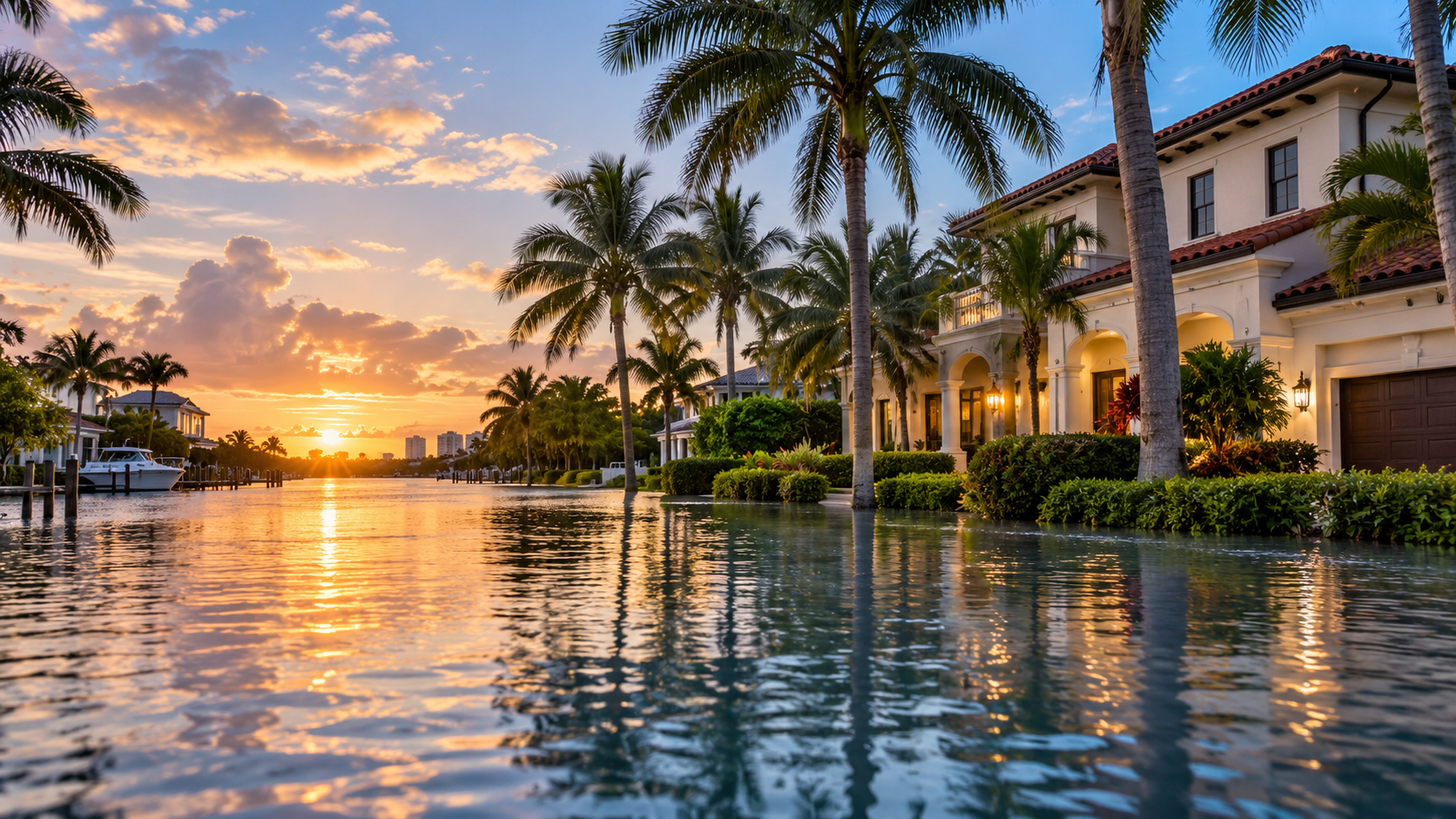
CORAL GABLES, FL FLOOD INSURANCE
Flood Insurance in Coral Gables, FL
Flood Coverage for Waterfront, Coastal, and Luxury Homes
Flooding can affect properties in different ways, from heavy rainfall and drainage issues to storm surge and rising water levels during severe weather. For Coral Gables homeowners, understanding these risks is an important part of protecting a home and its contents.
Standard homeowners insurance generally does not cover flood damage. Separate flood insurance may help cover eligible building damage and personal belongings, depending on the policy, coverage limits, exclusions, and applicable conditions.
Walker Insurance Agency helps Coral Gables homeowners explore flood insurance options based on their property’s location, flood exposure, construction, and coverage needs.
Why Flood Insurance Matters in Coral Gables
Coral Gables includes waterfront residences, canal-front properties, established residential neighborhoods, and homes with extensive outdoor improvements. Flood exposure can vary considerably between properties, even within the same community.
Properties near Biscayne Bay, canals, and other low-lying areas may require additional attention when evaluating flood risk. Heavy rainfall, drainage conditions, storm surge, and local elevation can also influence a property’s exposure.
A property’s flood zone designation is an important starting point, but it does not tell the entire story. Homeowners should consider the building’s elevation, surrounding drainage, previous flooding, and the potential cost of repairing water damage.
Walker Insurance Agency can help homeowners explore available flood insurance options and understand the coverage considerations relevant to their property.
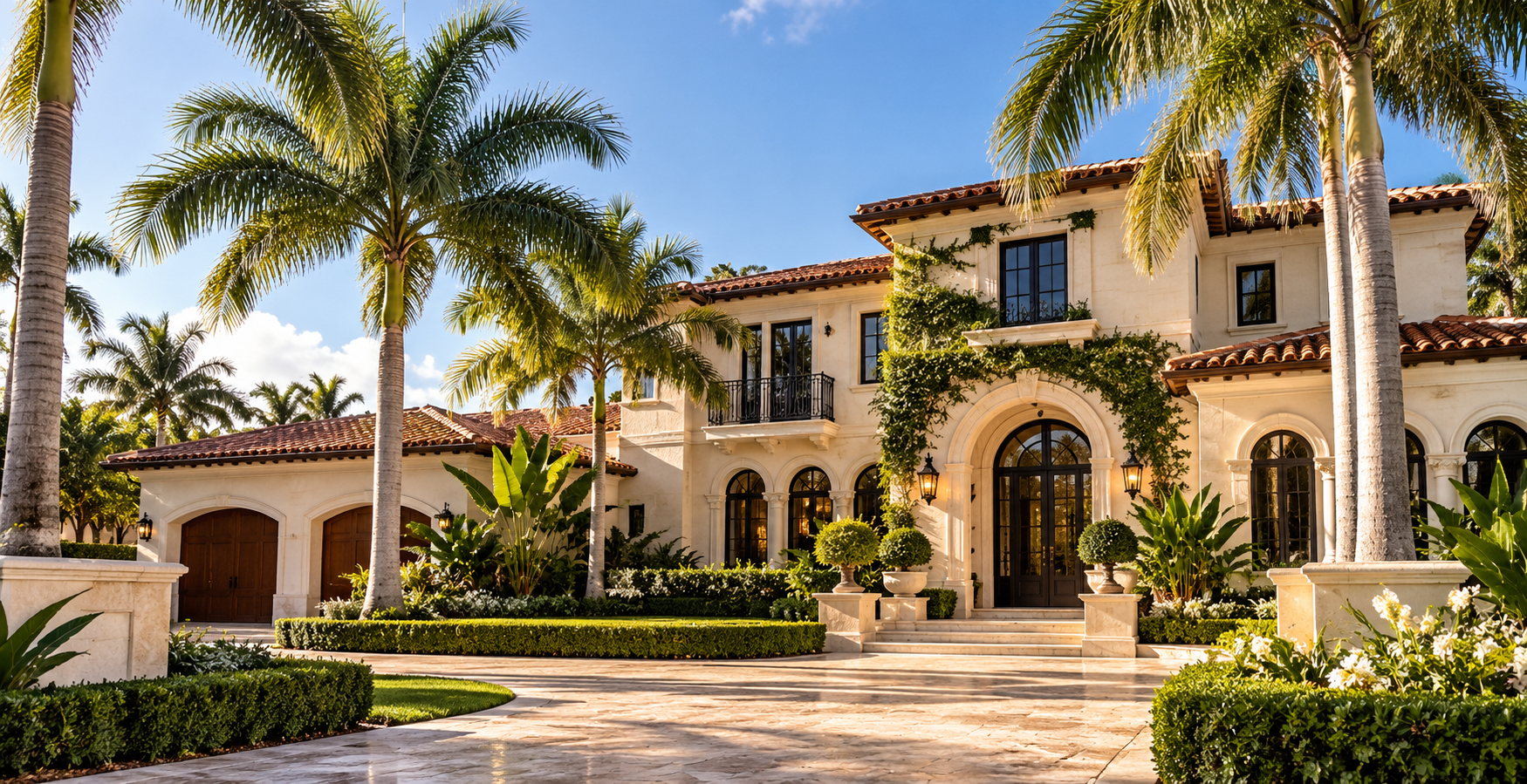
Waterfront Home Insurance
Explore insurance considerations for waterfront residences, including private docks, seawalls, and property-specific flood exposure.
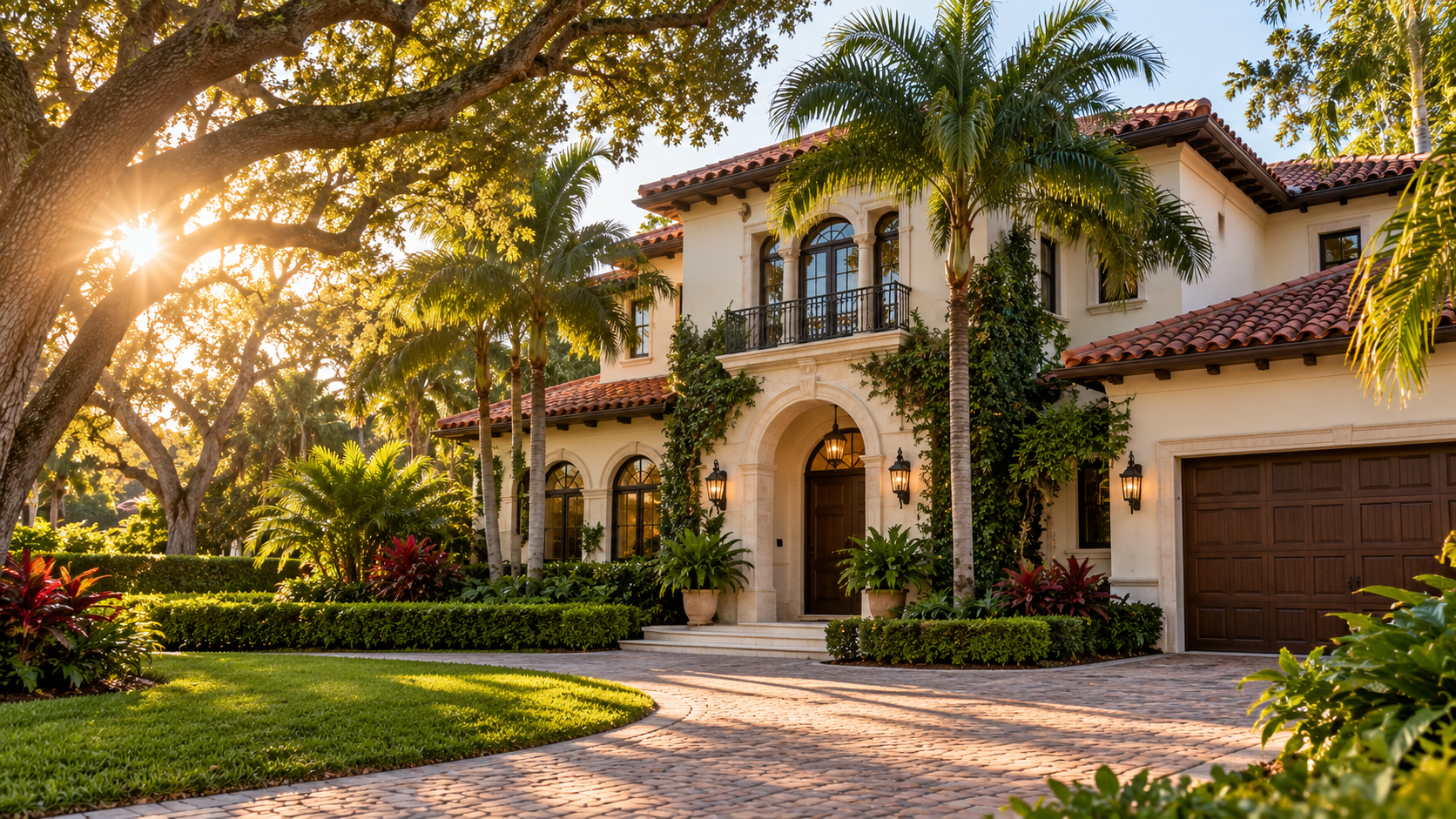
High-Value Home Insurance
Review coverage considerations for luxury residences, custom construction, valuable belongings, and higher reconstruction costs.
Coastal Home Insurance
Explore insurance considerations for homes exposed to coastal weather, windstorms, and other location-specific property risks.
What Does Flood Insurance Cover?
Flood insurance can provide financial protection against certain types of flood damage, subject to the terms of the selected policy. Available coverage depends on the insurer, policy form, limits, exclusions, and eligibility requirements.
Depending on the policy, flood insurance may include coverage for the following:
- Building coverage: Eligible damage to the insured structure and certain building components.
- Personal property: Eligible damage to furniture, clothing, appliances, and other covered belongings.
- Foundation and building systems: Certain eligible components may be covered under the applicable policy terms.
- Cleanup and repairs: Coverage may apply to certain flood-related cleanup or repair expenses when specified by the policy.
Building coverage and personal property coverage may have different limits, deductibles, and conditions. Not every damaged item or repair expense is necessarily covered.
Before purchasing a policy, homeowners should review the declarations, covered property definitions, exclusions, deductibles, and settlement provisions.
Does Homeowners Insurance Cover Flood Damage?
Standard homeowners insurance generally excludes damage caused by flooding. This means a policy that covers certain sudden and accidental water losses may not cover water entering a home from an external flood event.
The distinction matters because different water-related incidents can be treated differently under insurance policies.
For example, damage from a covered plumbing failure may be handled differently from damage caused by rising water entering the property from outside. Coverage depends on the actual circumstances and the policy language.
Homeowners should not assume that their existing homeowners policy provides flood protection simply because it includes other types of water damage coverage.
A separate flood insurance policy may be available through the National Flood Insurance Program (NFIP) or a private insurer, subject to eligibility and underwriting requirements.
UNDERSTANDING FLOOD EXPOSURE
Flood Risk in Coral Gables and Miami-Dade County
Flood exposure in Coral Gables depends on several factors, including property elevation, drainage, proximity to waterways, rainfall, and coastal conditions.
Waterfront and Canal Properties
Homes near Biscayne Bay and local canals may have location-specific flood considerations. Waterfront proximity alone does not determine the amount of risk or the coverage available.
Heavy Rainfall and Drainage
Intense rainfall can overwhelm drainage systems and contribute to localized flooding. The property’s grading, surrounding surfaces, and drainage conditions may influence how water affects the building.
Elevation and Flood Zones
Flood zone maps and elevation information can help homeowners understand potential exposure. A property outside a high-risk flood zone may still experience flooding.
Homeowners can review official flood hazard information through the FEMA Flood Map Service Center. Property-specific information should be reviewed rather than relying solely on a neighborhood’s general flood designation.
NFIP vs. Private Flood Insurance
Homeowners may have more than one option when shopping for flood insurance. The National Flood Insurance Program and private flood insurers can differ in coverage limits, eligibility, policy terms, and available features.
The most appropriate option depends on the property, the coverage needed, and the terms offered by each insurer.
National Flood Insurance Program (NFIP)
The NFIP provides flood insurance through participating insurance providers and agents. Standard NFIP limits for eligible residential properties are generally up to $250,000 for the building and $100,000 for contents, subject to program rules and eligibility.
Private Flood Insurance
Private insurers may offer different coverage limits, policy structures, and optional features. Availability and terms depend on the insurer’s underwriting guidelines and the individual property.
Neither option is automatically best for every property. Homeowners should compare available limits, deductibles, exclusions, waiting periods, and the treatment of building and personal property.
Flood Insurance for Luxury Homes in Coral Gables
Luxury homes may contain custom architectural features, imported materials, high-end flooring, specialized cabinetry, extensive landscaping, and valuable personal belongings.
When evaluating flood insurance, homeowners should consider whether the available limits align with their property’s characteristics and potential repair costs.
Important considerations may include:
- The estimated cost of repairing eligible flood damage to the structure.
- Available building and personal property limits.
- Coverage restrictions for basements, contents, and specific building components.
- Applicable deductibles and exclusions.
- The treatment of valuable belongings and specialized property features.
- Whether docks, seawalls, pools, and other exterior structures require separate coverage or review.
Market value and rebuilding costs are not necessarily the same. Homeowners should review the applicable policy definitions and determine whether available coverage meets their needs.
Flood insurance does not automatically cover every outdoor improvement or waterfront structure. Coverage for docks, seawalls, landscaping, and other features varies by policy.
When Should You Purchase Flood Insurance?
Homeowners should evaluate flood insurance before a flood event occurs, rather than waiting until severe weather is approaching.
Many flood insurance policies have waiting periods before coverage takes effect. The waiting period depends on the policy and circumstances, and exceptions may apply. A policy generally cannot be purchased after flooding begins to cover damage that has already occurred.
Homeowners who are purchasing a property, renewing insurance, renovating a residence, or reviewing their existing coverage may want to evaluate flood protection as part of that process.
If a mortgage lender requires flood insurance, the homeowner should confirm the applicable requirements, deadlines, and acceptable coverage with the lender.
Before purchasing a policy, review:
- Whether the property is eligible for the available program or private policy.
- When coverage would begin.
- Building and contents limits.
- Deductibles, exclusions, and covered causes of loss.
- Whether the policy satisfies applicable lender requirements.
How to Prepare for a Flood Insurance Quote
Providing accurate property information can help an insurance professional evaluate available options more efficiently.
Before requesting a quote, consider gathering:
- Property address and year of construction.
- Building type and approximate size.
- Flood zone information, if available.
- Elevation certificate or other relevant elevation documentation, if available.
- Details about the foundation, finished lower levels, and major building systems.
- Current homeowners and flood insurance documents.
- Information about prior flood losses, if applicable.
- An estimate of the building’s replacement cost and the value of contents to be insured.
Not every insurer requires every document. The information needed depends on the property and the underwriting process.
Walker Insurance Agency can help you identify the information relevant to your flood insurance inquiry and explore available coverage options.
Frequently Asked Questions About Flood Insurance
Is flood insurance required in Coral Gables?
Flood insurance is not automatically required for every property. Mortgage lenders may require it for certain properties in designated high-risk flood areas, subject to applicable rules. Homeowners may also choose coverage voluntarily.
Does homeowners insurance cover flooding from heavy rain?
Standard homeowners insurance generally excludes flood damage caused by rising water from outside the home. Coverage for other types of water damage depends on the circumstances and policy language.
Can a home outside a high-risk flood zone experience flooding?
Yes. Flooding can occur outside high-risk zones because of heavy rainfall, drainage problems, rising water, and other conditions. Flood zone designation is only one factor to consider when evaluating risk.
How much flood insurance do I need?
The appropriate amount depends on the property’s replacement cost, contents, available coverage limits, lender requirements, and the terms of the policy. Building and contents coverage should be evaluated separately.
What is the difference between NFIP and private flood insurance?
The NFIP is a federal flood insurance program administered by FEMA. Private flood insurance is offered by private insurers. Available limits, eligibility, exclusions, and policy terms may differ.
Does flood insurance cover docks and seawalls?
Coverage varies. Docks, seawalls, boat lifts, landscaping, and other exterior features may be excluded or subject to specific limitations. Review the policy terms and ask about coverage for each structure.
Is there a waiting period before flood insurance starts?
Many policies have a waiting period, but the exact terms and exceptions depend on the program and policy. Confirm the effective date before relying on coverage.
Can I purchase flood insurance after a flood warning is issued?
Availability and effective dates depend on the insurer, program rules, and circumstances. Waiting periods may apply, and a new policy will not cover damage that occurred before coverage became effective.
GET STARTED
Explore Flood Insurance in Coral Gables, FL
Flood exposure can vary from one property to another. Understanding your home’s location, building characteristics, coverage limits, and potential exclusions can help you make a more informed insurance decision.
Walker Insurance Agency helps Coral Gables homeowners explore available flood insurance options for waterfront residences, luxury properties, and homes throughout the surrounding community.
Contact our team to discuss your property and review available coverage options.